
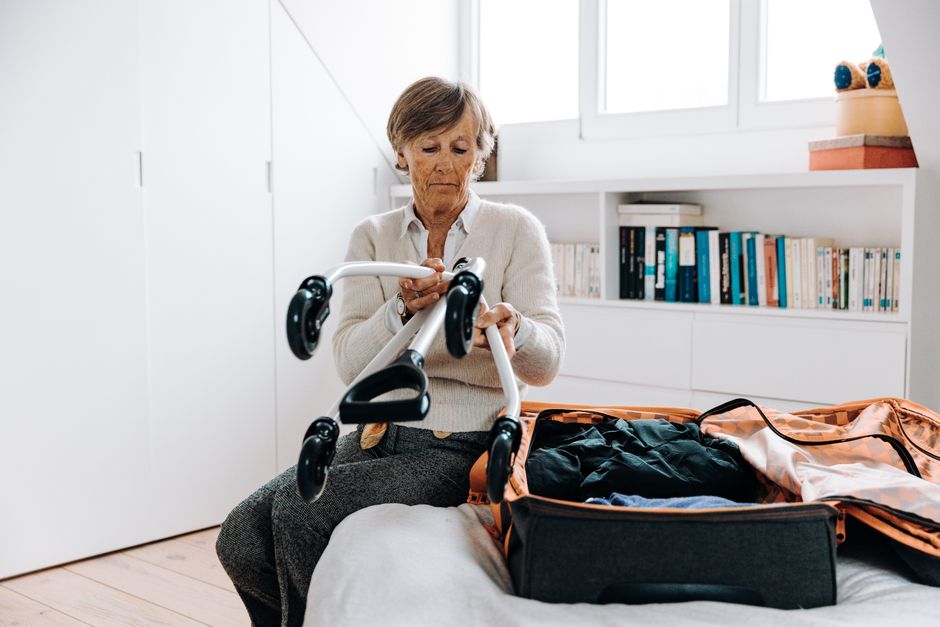
Moving into assisted living often involves adjusting to a smaller living space, new routines, and shared community areas. Personalizing the apartment can make that transition easier by bringing familiar sights, useful belongings, and meaningful daily habits into the new setting.
The goal is not to recreate an entire former home. A comfortable apartment usually combines sentimental items with practical choices that support safety, mobility, and independence.
What should be brought first?
Bring the items that provide daily comfort, recognition, and function before adding decorative pieces. Familiar belongings can help an apartment feel settled during the first few days.
Useful first choices may include:
- A favorite chair that is easy to rise from
- Family photographs or familiar artwork
- A small clock or calendar with large, readable numbers
- A preferred blanket, quilt, or pillow
- A radio, books, puzzles, or craft supplies
- Frequently used clothing and personal-care items
- A lamp that provides clear lighting without glare
- A few objects connected to hobbies, faith, family traditions, or work
It helps to think through a normal day. What does the resident reach for after waking? Where are reading glasses kept? What helps with relaxation in the evening? These questions often identify more valuable belongings than a general packing list.
Because apartment space is limited, avoid bringing everything at once. Additional items can be added after the resident learns how the room functions.
How can personal belongings be arranged safely?
Personalization should support movement rather than create obstacles. Clear walking paths are especially important for residents who use a cane, walker, wheelchair, or other mobility aid.
Keep frequently used items within easy reach, particularly near the bed, favorite chair, and bathroom entrance. Avoid placing cords across walkways, stacking objects near the floor, or using small rugs that can slide or curl.
Furniture should not block:
- The main entrance
- The path to the bathroom
- Emergency access areas
- Heating and cooling equipment
- Closet doors or drawers
- Windows that need to be opened or closed
A favorite chair may be comfortable, but it should also have a stable seat height, firm arms, and enough surrounding space for safe transfers. Low, soft furniture can be difficult for some residents to leave without assistance.
Before rearranging heavy furniture, check the residence’s policies and consider whether the change affects accessibility or emergency procedures.
What decorations make an apartment feel familiar?
Decorations work best when they reflect the resident’s own history rather than a general idea of senior living. A few carefully chosen items can create a stronger sense of identity than crowded walls or shelves.
Consider displaying:
- Family photographs labeled with names and relationships
- Artwork made by children or grandchildren
- A familiar seasonal decoration
- A small collection connected to a lifelong interest
- A favorite piece of pottery, needlework, or woodworking
- A memory box containing letters, cards, or keepsakes
- A simple bulletin board for notes, appointments, and reminders
Photographs may be easier to recognize when they show individual faces clearly and are placed at eye level. For a resident with memory loss, labels such as “Anna, daughter” or “James, grandson” may provide useful cues.
Avoid displaying irreplaceable heirlooms or items that would cause serious distress if misplaced. Copies of photographs, inexpensive frames, and sturdy decorations may be more practical than fragile valuables.
How should lighting and color be considered?
Good lighting can make an apartment more comfortable and reduce hazards. North East experiences dark winter days, early sunsets, and changing outdoor light, so residents may benefit from consistent indoor illumination during the colder months.
Use lamps or fixtures that illuminate walking areas, reading spaces, and frequently used surfaces. Night-lights can help identify the route to the bathroom without creating harsh brightness. Light switches should be easy to locate and operate.
Color contrast can also support visibility. For example, a dark chair may be easier to distinguish against a light wall, while brightly colored tape or labels may help identify drawers. Avoid excessive glare from mirrors, polished surfaces, or uncovered windows.
Residents with vision changes may need stronger lighting, larger print, or higher contrast. Any changes should be practical and comfortable rather than overly bright.
Can familiar routines be part of the apartment?
Yes. Personalizing the apartment includes making familiar activities easy to continue. The physical setup should support the resident’s preferred schedule and habits.
A reader may need a well-lit chair, a side table, and a place for glasses. Someone who enjoys music may need an uncluttered surface for a radio or other listening device. A person who likes writing may benefit from a small desk with supplies arranged in the same order each day.
If a resident enjoys seasonal activities, decorations can be changed gradually. In a community with shared programming, personal interests may also help staff and other residents understand how to encourage participation without pressuring the individual.
Routine cues can be especially helpful for people living with dementia. A visible calendar, labeled drawers, familiar photographs, and consistent placement of belongings may reduce confusion. Too many signs or decorations, however, can become visually overwhelming.
What should families consider during winter and changing weather?
Clothing and apartment arrangements may need to reflect local seasonal conditions. Residents may use heavier sweaters, warm socks, slippers with secure soles, and an easily reached coat during cold weather. Items worn outdoors should be stored where they can be found without blocking the entrance.
Wet footwear, umbrellas, and winter accessories can create clutter near the door. A small, stable storage system may help keep these items organized, but it should not narrow the walking path.
Temperature comfort varies widely. Some residents feel cold even when others are comfortable, while others are sensitive to warm, dry indoor air. Lightweight layers, a familiar blanket, and regular communication with staff can be more useful than relying on a single room adjustment.
What apartment changes require permission?
Policies differ, but residents should generally ask before installing shelves, mounting televisions, changing light fixtures, using adhesive products, or bringing in large appliances. Some buildings restrict candles, heating devices, extension cords, and other items because of fire or electrical safety.
Ask about:
- Wall-mounting and hanging limits
- Furniture dimensions
- Electrical equipment
- Door decorations
- Food storage and small appliances
- Window coverings
- Emergency access requirements
- Use of personal medical or mobility equipment
A maintenance or care team may need to approve changes that affect walls, wiring, plumbing, ventilation, or accessibility. This is not simply a decorating issue; an unsafe modification can interfere with emergency response or increase fall and fire risks.
How can an apartment remain organized over time?
Personal belongings tend to increase after move-in. A simple review every few months can keep the apartment comfortable and accessible.
Remove items that are no longer used, damaged, or difficult to clean. Check that clothing still fits, labels remain readable, and frequently used objects are still within reach. Family members can rotate seasonal clothing and decorations instead of storing everything in the apartment.
The most successful arrangement is usually flexible. A resident’s mobility, vision, memory, interests, or care needs may change. Personalization should be adjusted with those changes so the apartment remains recognizable, usable, and safe.
