

Assisted living can support an active lifestyle by making movement, social connection, and daily participation easier to maintain. The goal is not intense exercise or constant activity. It is helping residents remain involved in routines they enjoy while adapting activities to their health, mobility, energy, and interests.
What does an active lifestyle mean in assisted living?
An active lifestyle includes more than formal exercise. It may involve walking to meals, joining a discussion group, tending plants, participating in hobbies, visiting with neighbors, or helping with a daily task.
For many older adults, activity is best understood in several connected forms:
- Physical activity: Walking, stretching, balance exercises, dancing, or light strength work
- Social activity: Shared meals, group programs, conversation, games, and celebrations
- Mental activity: Puzzles, reading, music, learning, and problem-solving
- Purposeful activity: Gardening, organizing personal belongings, helping others, or following familiar routines
- Outdoor activity: Sitting outside, walking on safe paths, observing nature, or taking part in seasonal programs
This broader definition matters because residents have different abilities. A person who cannot walk long distances may still lead an active and engaged day through seated exercise, social programs, creative work, or short periods of movement spread throughout the day.
How does assisted living make movement part of daily life?
Assisted living often places essential activities closer together than they may be in a larger private home. Dining areas, lounges, activity rooms, outdoor spaces, and common areas may be accessible without driving or managing stairs.
That layout can encourage frequent, manageable movement. A resident might walk to breakfast, visit a common room afterward, and take part in an afternoon program. These short periods of activity can be more realistic and sustainable than expecting someone to complete a single long workout.
Staff support may also help residents participate safely. Assistance can include reminders, escorting someone to a program, helping with mobility equipment, or adjusting an activity so it can be completed while seated. Support should encourage independence rather than replace every task a resident can safely perform.
A practical activity plan may account for:
- Walking ability and balance
- Joint pain or stiffness
- Vision or hearing changes
- Heart or breathing limitations
- Medication-related fatigue or dizziness
- Personal interests and past routines
- The amount of rest needed between activities
What types of exercise are commonly included?
Programs vary, but assisted living activities often focus on strength, flexibility, balance, and endurance. These areas support everyday tasks such as standing from a chair, reaching for an item, walking across a room, and getting in or out of a vehicle.
Examples may include:
- Seated stretching for the shoulders, legs, and back
- Gentle range-of-motion exercises
- Short supervised walking sessions
- Light resistance exercises using bands or small weights
- Balance practice near a stable support
- Chair yoga or breathing exercises
- Music-based movement and low-impact dancing
- Outdoor walks when paths and weather conditions are suitable
Exercise intensity should be based on the resident’s condition and current ability. A program that is appropriate for one person may be too demanding for another. New or worsening pain, chest discomfort, unusual shortness of breath, faintness, or severe fatigue should not be ignored. These symptoms may require medical guidance before activity continues.
Why are social activities part of an active lifestyle?
Social connection can influence whether residents stay engaged. People are more likely to participate when activities feel welcoming, familiar, and meaningful rather than obligatory.
Shared activities can also reduce the isolation that sometimes develops after a move, loss of transportation, illness, or the death of a spouse or close friend. Conversation during meals, group games, music programs, and interest-based gatherings give residents regular opportunities to interact.
Social participation may support activity in simple ways. A resident may walk more often to visit a neighbor, attend a group because a friend is participating, or remain involved in a hobby that has a shared purpose.
Activities are most useful when residents have choices. Some people prefer larger gatherings, while others are more comfortable with small groups or one-to-one interaction. Quiet participation, such as listening to music with others or sitting in an outdoor area, also counts as meaningful engagement.
How can seasonal conditions affect activity in North East, PA?
Seasonal weather can shape how residents remain active. Cold temperatures, snow, ice, rain, and strong winds may make outdoor walking unsafe or uncomfortable during parts of the year. Warm-weather conditions can also create concerns about dehydration, heat, and sun exposure.
Indoor alternatives help maintain routines during difficult weather. Hallway walking, seated exercise, indoor games, craft activities, and movement programs can keep residents engaged without requiring outdoor travel.
When conditions are favorable, outdoor activity may include time in a secure courtyard, gardening, nature observation, or short walks on maintained surfaces. Safe outdoor participation depends on clear paths, suitable footwear, access to seating, adequate lighting, and supervision when needed.
Weather should not automatically end activity, but it may require changing the location, timing, pace, or type of movement.
Can residents remain active if they have limited mobility?
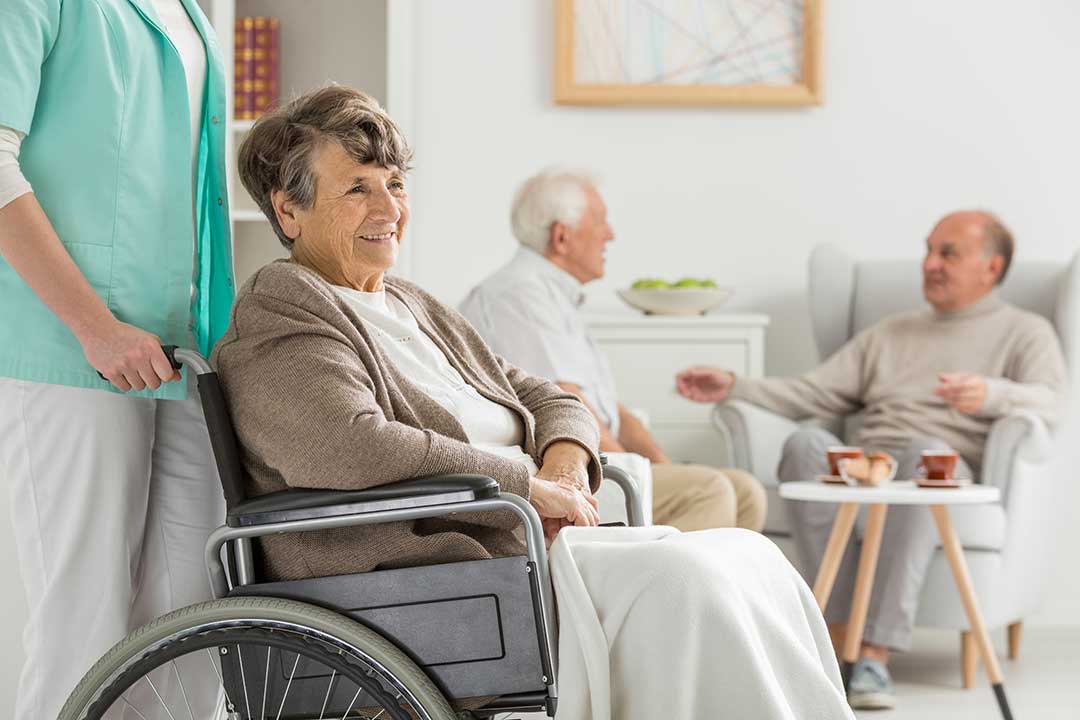
Yes. Limited mobility does not eliminate the possibility of an active lifestyle. Activities can be modified for people who use walkers, wheelchairs, canes, or other mobility supports.
A resident may participate through:
- Seated strength and flexibility exercises
- Arm movements coordinated with music
- Guided stretching from a wheelchair
- Short trips to common areas
- Tabletop games and creative projects
- Gardening in raised containers
- Conversation groups or reading activities
- Supported standing, when medically appropriate
The purpose is to preserve participation, confidence, and function without creating unnecessary risk. Activities should not be judged only by distance walked or the amount of weight lifted. Consistency, enjoyment, and appropriate challenge are also meaningful measures.
What should families ask about an activity program?
Families can ask practical questions to understand whether a setting supports daily engagement:
- Are activities offered at different ability levels?
- Can residents participate while seated?
- Are walking or exercise programs supervised?
- How are activities adjusted for pain, fatigue, memory changes, or mobility equipment?
- Are indoor options available during unsafe weather?
- Can residents suggest activities based on past interests?
- Are there opportunities for quiet participation as well as group events?
- How are changes in a resident’s activity level communicated to family members?
A strong program recognizes that participation may change over time. Illness, recovery after a hospital stay, medication changes, grief, or a decline in balance can affect activity. The response should be adjustment and support, not pressure.
How can active living continue outside scheduled programs?
Scheduled activities are only part of the picture. Daily routines can also support movement and purpose. Residents may choose clothing, help organize personal items, walk to meals, keep a calendar, water plants, or maintain a familiar morning routine.
Families can reinforce this approach by asking about what the resident enjoyed, not only whether the resident exercised. Questions such as “What did you do today?” or “Who did you talk with?” may open a more useful conversation than focusing only on step counts.
Active living works best when it fits the person. In assisted living, regular movement, social contact, mental stimulation, and purposeful routines can help residents remain connected to everyday life while respecting changing abilities and the need for safety.
