
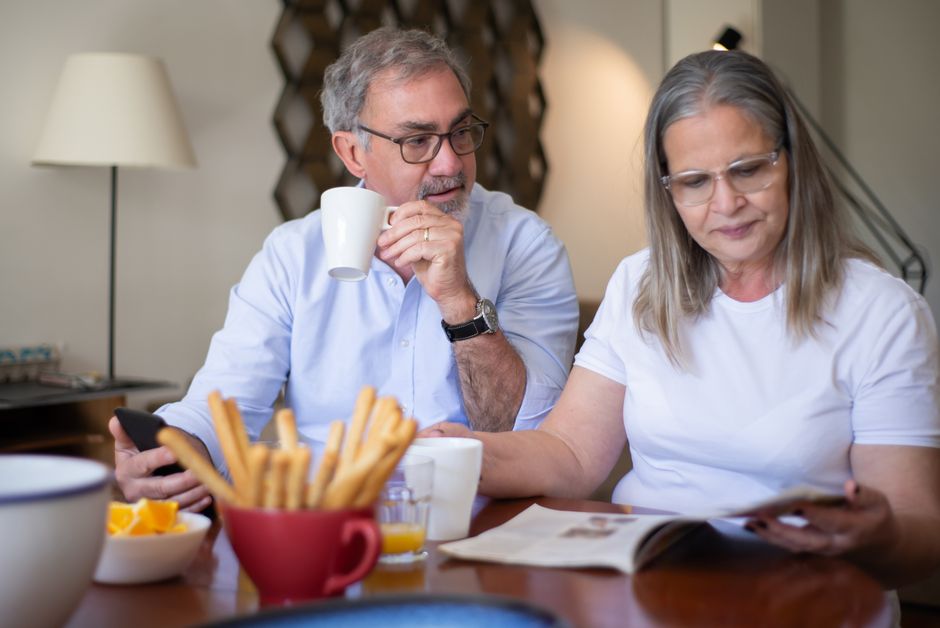
Assisted living can support couples who want to remain together while receiving different levels of help. The arrangement may allow partners to share a residence, meals, activities, and daily routines even when one person needs more assistance than the other.
For couples in North East, PA, the decision often involves balancing independence, health needs, household responsibilities, finances, and emotional well-being. Understanding how assisted living handles these differences can make planning less stressful and help families ask better questions.
Can couples live together in assisted living?
Usually, couples may be able to live together in a shared apartment or suite, depending on the residence, available floor plans, and each person’s care needs. Some communities are designed for spouses or long-term partners, while others may have limited space for two-person accommodations.
Living together does not always mean both residents receive identical services. One partner may need help with bathing, dressing, medications, or mobility, while the other may need only meals, housekeeping, transportation, or occasional reminders.
Before choosing a residence, couples should ask:
- Are shared apartments or companion suites available?
- Can both names appear on the residency agreement?
- What happens if one partner needs more care later?
- Can the couple remain in the same residence if one person develops memory loss or mobility limitations?
- Are there additional charges for a second resident?
- How are emergency calls handled if one partner cannot assist the other?
These questions help reveal whether the arrangement is suitable for the couple’s current situation and possible future changes.
How does assisted living support partners with different care needs?
Assisted living commonly provides services based on an individual assessment rather than a couple’s combined needs. This allows each partner to receive an appropriate level of support.
For example, one resident may receive help with medication reminders and showering, while the other remains mostly independent. Both may still eat meals together, attend activities, use common areas, and share the same apartment.
This approach can reduce pressure on the healthier or more independent partner. A spouse may want to help, but providing regular personal care can become physically exhausting or emotionally difficult. Assisted living can shift those responsibilities to trained staff while preserving the couple’s relationship as partners rather than caregiver and patient.
Care needs should be reassessed if there are changes in strength, memory, continence, falls, behavior, or the ability to manage daily tasks safely.
Does assisted living allow couples to maintain privacy?
Couples generally benefit from having a private living space, but the amount of privacy depends on the residence’s layout and the services being provided. Shared apartments may include a bedroom, living area, bathroom, kitchenette, or other features, although designs vary.
Privacy also involves more than having a door. Couples should understand:
- When staff may enter the apartment
- Whether personal care occurs in the shared residence
- How medications and health information are managed
- Whether visitors can stay overnight
- How personal belongings are protected
- Whether each partner can have private time or separate activities
A couple may enjoy living together while still needing separate schedules, quiet time, or personal space. A supportive environment should make room for both togetherness and independence.
What happens if one partner needs memory care?
Memory loss can create complicated decisions for couples. Some assisted living residences provide memory support within the same overall setting, while others require a move to a separate secured area or another type of residence.
If one partner develops Alzheimer’s disease or another form of dementia, the couple may not be able to remain in the same apartment indefinitely. However, they may still be able to live in the same building or visit each other regularly, depending on safety needs and the residence’s policies.
Families should ask about:
- Secured areas for residents who may wander
- Support with confusion, nighttime behaviors, or changes in judgment
- Whether couples can dine or participate in activities together
- How visits are managed if one partner moves to a different care area
- Policies for changes in behavior or increasing supervision needs
A common misconception is that moving into assisted living guarantees a couple can stay in one apartment regardless of future health changes. In reality, safety requirements may eventually require separate rooms or care settings.
How can assisted living help with transportation and winter conditions?
Seasonal weather can affect daily routines for older adults. Snow, ice, wind, and freezing temperatures may make driving, walking, errands, and medical visits more difficult in North East.
Assisted living may reduce these challenges by offering scheduled transportation, indoor activities, prepared meals, and maintenance of shared walkways. Couples should still ask how transportation works during poor weather and whether residents can reach medical appointments, pharmacies, grocery stores, or family visits when roads are difficult.
A couple that previously depended on one partner to drive may need a new plan if that person stops driving. Assisted living can provide structure, but transportation policies differ and may include limits on distance, timing, or appointment type.
How are meals and daily routines handled for couples?
Meals are often a major part of assisted living life. Couples may eat together in a dining room, receive meals in their apartment when necessary, or use a combination of both options.
Different dietary needs can usually be addressed through individualized meal planning. One partner may need a low-sodium diet, modified textures, diabetic-friendly meals, or assistance with eating. The other may have no dietary restrictions.
Couples should ask whether they can choose different meal times, request alternative menu items, and dine privately when desired. It is also useful to discuss how staff respond if one partner begins skipping meals, losing weight, or needing help with eating.
Daily routines may include exercise, games, religious observance, social events, outdoor time, and quiet periods. Partners do not have to participate in everything together. Separate interests can help each person maintain identity and social connections.
What should couples consider financially?
Assisted living costs for couples may include the apartment, a second-person fee, meals, utilities, housekeeping, transportation, medication assistance, personal care, and care-level charges. The total cost may change if one partner needs more services over time.
A written cost review should clarify:
- Which services are included in the basic monthly fee
- Whether care charges are assessed separately for each resident
- How often rates or care levels may change
- Whether there are move-in, community, or administrative fees
- What happens financially if one partner dies or moves to another care setting
- Whether long-term care insurance or other benefits may help with eligible expenses
Financial planning should account for the possibility that the couple’s needs will not remain equal.
How can families support a couple’s adjustment?
Moving from a private home to assisted living can affect identity, routines, and feelings of control. Couples may experience relief, sadness, guilt, disagreement, or uncertainty at the same time.
Families can help by involving both partners in decisions, even when one person needs more care. Helpful steps include visiting the residence together, measuring furniture, discussing which belongings matter most, and creating familiar routines after the move.
It may also help to plan regular visits that are not focused only on medical concerns. Shared meals, card games, walks, music, photographs, and quiet conversation can help the couple maintain their relationship in a new setting.
The most suitable arrangement is one that protects safety without unnecessarily separating partners. A careful review of housing, care, privacy, finances, transportation, and future health needs can help couples make a decision that respects both people.
