
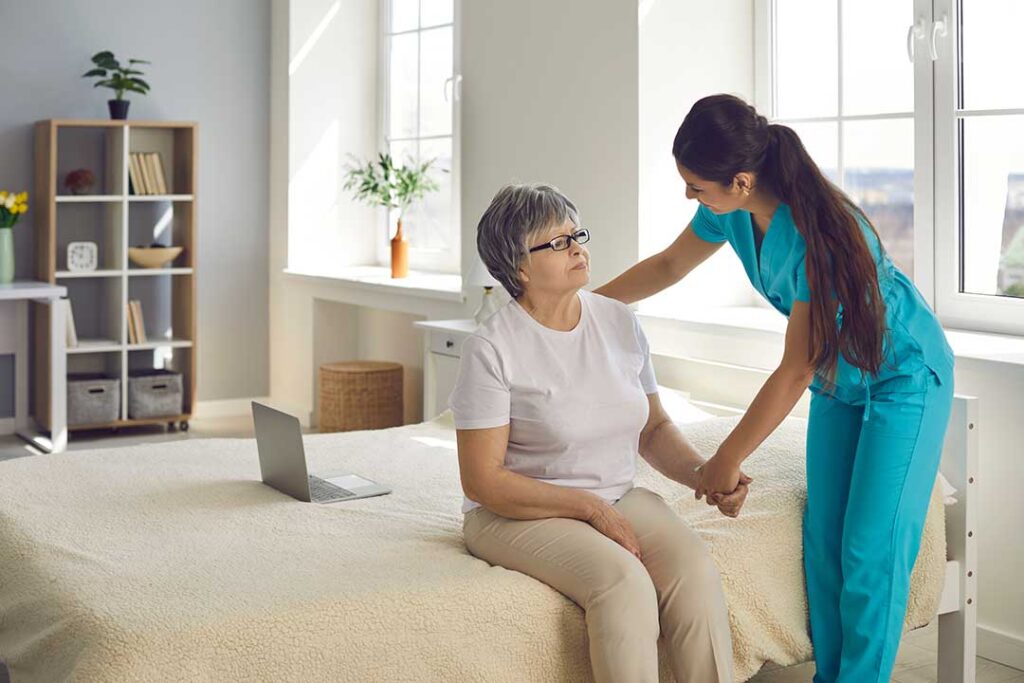
Assisted living can provide daily support, health coordination, and supervision without offering the same level of continuous medical care as a nursing facility. For residents in North East, PA, the services available may vary by residence, staffing model, licensing category, and each person’s care plan.
Pennsylvania distinguishes between assisted living residences and personal care homes. Both may help with daily activities and health-related needs, while assisted living residences may be equipped to support people with higher care needs who do not require 24-hour nursing-facility care. ([pa.gov](https://www.pa.gov/agencies/dhs/resources/aging-physical-disabilities/personal-care-homes?utm_source=openai))
What health services are commonly available?
Most assisted living communities provide a combination of personal care, medication support, routine monitoring, and coordination with outside medical providers. The goal is usually to help residents remain as independent as safely possible.
Common services may include:
- Help with bathing, dressing, grooming, toileting, and mobility
- Assistance getting in and out of bed or a chair
- Medication reminders, medication setup, or medication administration
- Arranging physician, dental, vision, and therapy appointments
- Transportation coordination for medical visits
- Monitoring changes in appetite, weight, walking ability, mood, or memory
- Help following a physician’s care instructions
- Communication with family members or designated representatives
- Assistance during illness, recovery, or changes in functional ability
The exact services should be explained before move-in and documented in the resident’s assessment and care plan. Pennsylvania guidance identifies assistance with eating, walking, bathing, hygiene, health-care arrangements, appointments, medications, positioning, and transportation as services that may be available in personal care and assisted living settings. ([pa.gov](https://www.pa.gov/agencies/dhs/resources/aging-physical-disabilities/personal-care-homes?utm_source=openai))
Does assisted living provide nursing care?
Sometimes, but not always in the way families expect. Assisted living may have nurses or other trained staff available on a scheduled, on-site, or on-call basis. Some residences also coordinate supplemental health services from outside providers.
Routine nursing-related support may involve:
- Checking vital signs when clinically appropriate
- Observing wounds, swelling, pain, or changes in breathing
- Supporting chronic-condition routines
- Communicating concerns to a physician or family representative
- Helping coordinate laboratory tests or follow-up care
- Reviewing medication changes
- Supporting care after a hospital stay
Assisted living is generally not intended to replace a nursing facility, hospital, or emergency department. A resident who develops unstable medical needs, requires frequent skilled treatments, or needs continuous nursing observation may need a different level of care.
A common misconception is that the presence of a nurse means every medical service is available around the clock. Families should ask whether nursing coverage is continuous, scheduled, or provided through an outside service.
How is medication management handled?
Medication assistance is one of the most frequently used health services in assisted living. Staff may remind residents to take medications, organize doses, assist with self-administration, or administer medications when permitted by the residence’s policies and applicable rules.
Medication support can include:
- Maintaining a current medication list
- Storing medications securely
- Providing reminders at scheduled times
- Recording whether a dose was taken
- Notifying the appropriate person about missed or refused medication
- Coordinating prescription changes after a medical visit
- Watching for possible side effects or changes in alertness
Residents who want to self-administer medication may need an assessment of their ability to do so safely. Pennsylvania’s assisted living regulations address medication assistance and evaluation of a resident’s ability to self-administer prescribed medication. ([pa.gov](https://www.pa.gov/content/dam/copapwp-pagov/en/dhs/documents/providers/clearances-and-licensing/documents/app-hsl/Assisted-Living-Residences-2800-Regulations.pdf?utm_source=openai))
Families should ask who contacts the prescriber when a medication causes dizziness, confusion, stomach problems, or excessive sleepiness. It is also useful to ask how over-the-counter medications, inhalers, insulin, eye drops, and as-needed medications are handled.
Are therapy and rehabilitation services available?
Physical, occupational, and speech therapy may be available, but these services are often provided by outside clinicians rather than by assisted living staff. Therapy may take place in the resident’s apartment, a shared therapy area, or another appropriate setting.
Therapy can help with:
- Recovering strength after hospitalization
- Improving balance and walking safety
- Practicing transfers from bed to chair
- Adapting to a walker or other mobility device
- Managing dressing, bathing, and other daily tasks
- Addressing speech, swallowing, or communication concerns
A physician or other authorized clinician usually determines whether therapy is medically appropriate. The residence may help coordinate visits, but coverage, scheduling, and eligibility can depend on the resident’s health plan and clinical orders.
What support is available for memory loss or dementia?
Many assisted living residences offer supervision and routines for residents with memory impairment. Services may include reminders, help locating personal belongings, assistance with meals, redirection during confusion, and observation for changes in behavior or safety.

Memory support is not identical everywhere. Important questions include:
- Is there a secured area for residents who may wander?
- How are nighttime needs handled?
- Can staff respond to repeated calls for help?
- What happens if the resident becomes more confused?
- Is there a separate memory-support program or care area?
- How are behavioral changes communicated to family members and clinicians?
Dementia-related care may become more intensive over time. A residence should explain which needs it can safely manage and which changes could require a different setting.
How are emergencies and hospital transitions handled?
Assisted living staff can respond to urgent situations, provide basic assistance, and contact emergency services when necessary. They may also communicate with family members and help organize information for hospital staff.
After a hospital or emergency-department visit, the residence may need:
- Updated medication instructions
- Discharge paperwork
- New mobility or dietary directions
- Wound-care instructions
- Therapy orders
- Follow-up appointment information
- Clarification about restrictions or warning signs
Residents and families should understand who is responsible for obtaining these documents and who reviews them when the resident returns. Clear communication is especially important during winter weather, when travel delays or difficult walking conditions can complicate appointments and hospital discharges in the region.
What should families ask before choosing a residence?
A written list of services is more useful when paired with specific questions about daily practice. Families may want to ask:
- Is a nurse present every shift?
- Who gives medications, and what training do they receive?
- How often are residents assessed after a change in health?
- Can the residence manage oxygen, diabetes, wounds, or catheters?
- How are falls documented and communicated?
- What happens if a resident refuses medication or personal care?
- Which therapy and home-health services may enter the residence?
- How are appointments and transportation arranged?
- What medical needs would require a move to another care setting?
- Are additional health services billed separately?
In Pennsylvania, assisted living residences and personal care homes are licensed and inspected through the Department of Human Services, with regulations addressing resident health, medical care, personal care, nutrition, staffing, and safety. ([pa.gov](https://www.pa.gov/agencies/dhs/resources/aging-physical-disabilities/personal-care-homes?utm_source=openai))
The most reliable answer is not simply whether a service is “available.” It is whether the service is available at the frequency, skill level, and response time a particular resident needs. A careful review of the care plan, staffing arrangements, medication procedures, and limits of care can help families make a more informed decision.
